
Rewriting the Sick Note Story: What the 2026 Reforms Mean for Employers
A System Under Strain and Ready for Reform
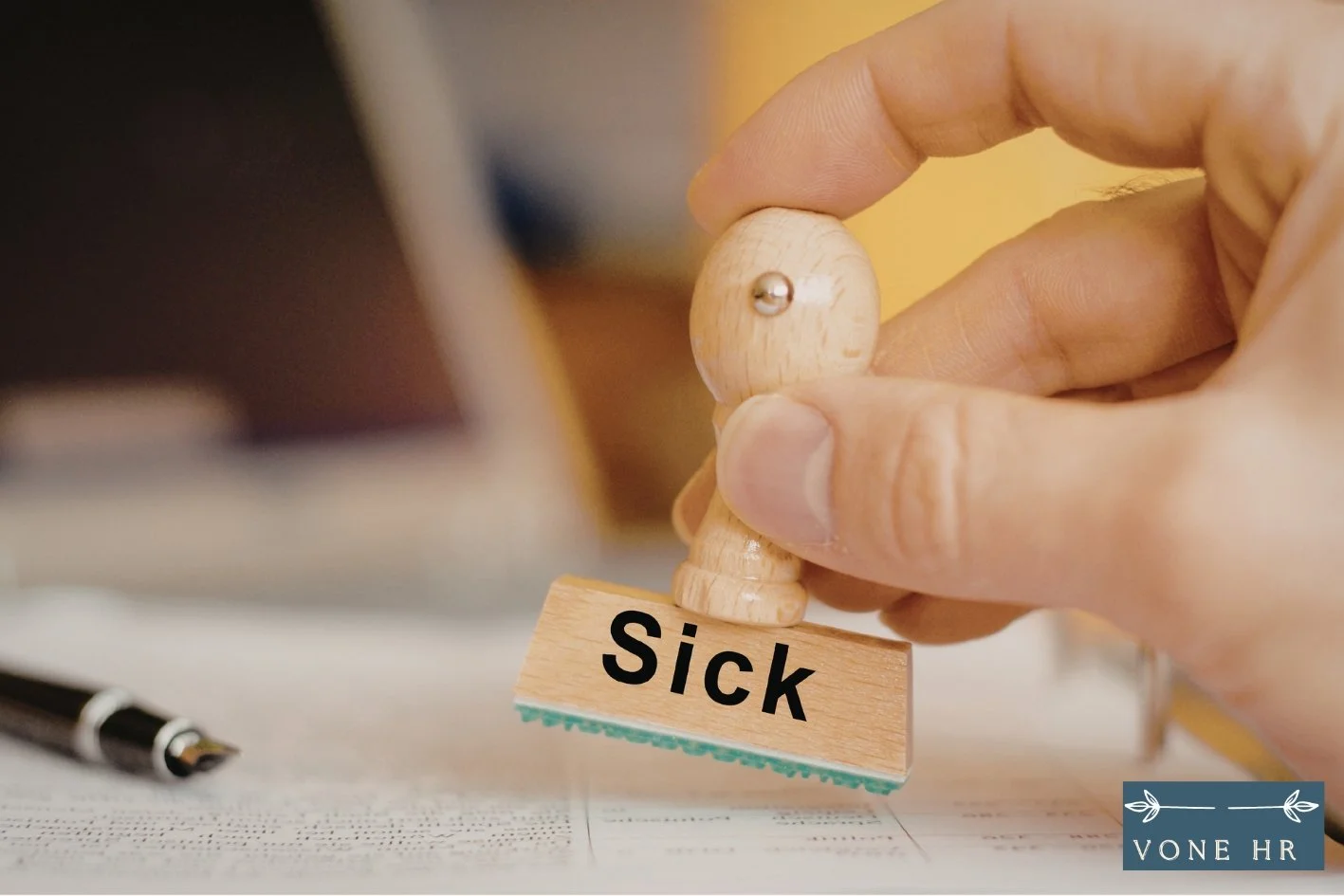
Over the past few years, conversations around workplace sickness absence have become increasingly prominent. Last July, I explored the growing concerns surrounding the UK's sickness culture and the mounting pressure on the fit note system. It was evident then that reform was needed, but meaningful change can often take time.
Fast forward twelve months, and we are finally seeing significant movement. The Government is preparing to launch a new pilot scheme aimed at transforming how fit notes are issued, how support is provided at an earlier stage, and how employers, healthcare professionals, and employees can work together to help people remain connected to work wherever possible.
These reforms represent a pivotal moment in the evolution of sickness certification and provide employers with an important opportunity to understand what lies ahead and how they can prepare.
The New Pilot Scheme
The Government has announced a major shift in the way the UK approaches sickness certification, introducing a series of pilot programmes designed to test reforms to a system it has openly described as "broken".
With approximately 11 million fit notes issued every year and more than 90% stating that individuals are "not fit for work", the strain on GPs, employers, and employees has become increasingly apparent.
From July 2026, new pilot models will be introduced across selected NHS WorkWell sites, covering up to 100,000 appointments over the next year. These pilots aim to reshape the conversation around sickness absence by focusing less on what people cannot do and more on how they can be supported to stay engaged with work.
This development marks the next chapter in a journey that began in 2010 when the traditional "sick note" was replaced with the more proactive "fit note". The intention was to encourage workplace adjustments and phased returns to work. Fifteen years later, we have reached another important turning point.
The key questions are no longer simply how fit notes are issued, but who issues them, what support accompanies them, and how conversations about health and work begin much earlier.
What the 2026 Pilots Will Test
The pilots will explore several different approaches to supporting individuals experiencing health challenges, including:
GP-issued initial fit notes followed by referrals to community health and work support teams
Direct referrals to non-clinical support services without a GP issuing a fit note
Integrated teams of clinical and non-clinical practitioners providing holistic support and advice
Early discussions involving employees, employers, and trained professionals to explore reasonable adjustments from the outset
Pilot Areas Include
Birmingham & Solihull
GP-issued first fit note followed by referral to non-clinical support teams.
Coventry & Warwickshire
GP-issued first fit note with support from both clinical and non-clinical practitioners.
Cornwall & Isles of Scilly
Direct referral to non-clinical support services without an initial GP fit note.
Lancashire & South Cumbria
Direct referral to integrated support teams without an initial GP fit note.
The overarching objective is simple: shift the conversation from "you can't work" to "how can we help you stay connected to work?"
Are We Living in a "Sick Note Culture"?
The debate around sickness absence has resurfaced as absence levels reach their highest point in over a decade. Some believe the UK has become overly reliant on long-term absence, while others argue that we are finally recognising complex and often invisible health conditions, including mental health challenges, burnout, and the lasting effects of Covid-19.
The reality is more nuanced.
A fit note should not be viewed as a sign of disengagement. More often, it reflects a need for structured support, clear communication, and a safe, sustainable pathway back into work.
What This Means for Employers
For employers, the evolving fit note system is not about encouraging absence. It is about supporting attendance, wellbeing, and long-term productivity.
At Vone HR, we regularly help leaders rethink their approach to sickness absence and employee wellbeing. The most successful outcomes often share common themes:
The primary objective should always be a safe and sustainable return to work
Early, open, and supportive conversations make a measurable difference.
Reasonable adjustments are not simply legal obligations; they are effective business practices.
Healthy workplace cultures benefit all employees, not just those experiencing illness.
The new pilot schemes reinforce this direction of travel, promoting greater collaboration, earlier intervention, and more informed decision-making.
How Vone HR Can Support You Through These Changes
As the fit note system evolves, employers will need stronger internal processes, greater confidence in managing absence, and more effective communication with healthcare professionals.
Bridging the Gap Between GPs and Employers
We help healthcare professionals better understand workplace realities, including job requirements, operational pressures, flexibility options, and practical adjustments that can genuinely support employees.
Training and Upskilling Leaders and Practice Managers
Our workshops equip managers with the skills and confidence to manage sickness absence effectively, facilitate early intervention, and support successful return-to-work plans.
Facilitating Early, Supportive Conversations
We encourage organisations to create environments where employees feel comfortable discussing health concerns early. Prompt conversations often prevent issues from escalating and enable GPs to provide more informed recommendations.
Sharing Real-World Case Studies
Drawing on practical experience, we provide examples of successful workplace adjustments and return-to-work strategies that help both clinicians and employers make better decisions.
Looking Ahead
The future of fit notes is likely to be more collaborative, more personalised, and more focused on what people can do rather than what they cannot.
While the pilot schemes are still being tested, they signal a clear shift towards earlier intervention, stronger partnerships between employers and healthcare professionals, and a greater emphasis on keeping people connected to meaningful work wherever possible.
For employers, this is an opportunity to review existing absence management practices, strengthen workplace wellbeing strategies, and ensure managers are equipped to support employees effectively.
Change is coming, and organisations that embrace a proactive, supportive approach will be best placed to navigate the evolving landscape. At Vone HR, we're here to help you understand the reforms, prepare for what's ahead, and create workplaces where both people and businesses can thrive.